Brake Inspections & Repair
Pads, rotors, calipers, lines, and fluid, inspected and explained before anything is replaced.
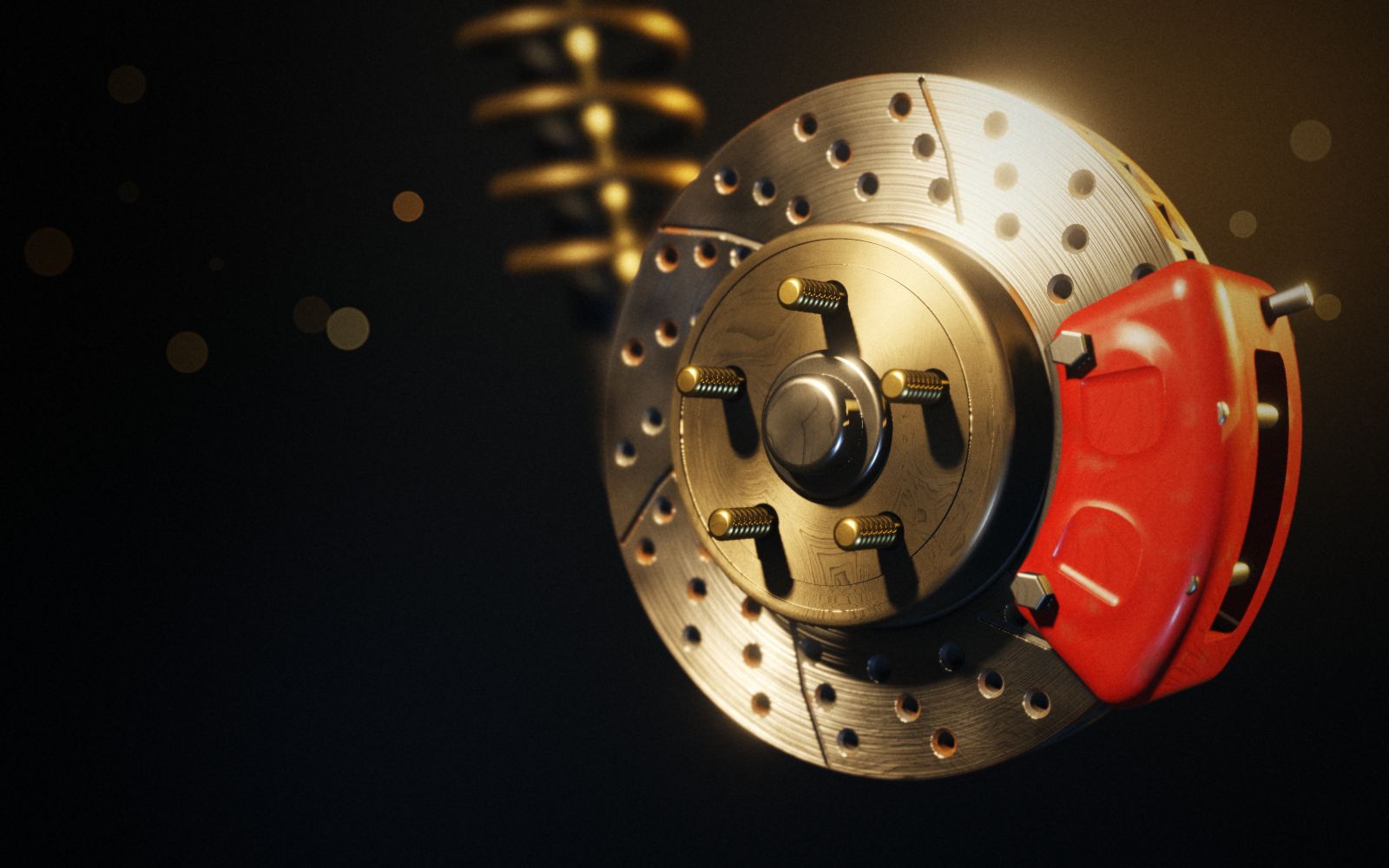
Your brakes turn motion into heat through friction, and every part of that system wears: pads get thinner, rotors develop grooves or uneven spots, caliper slides stick, and brake fluid absorbs moisture over time. Catching wear early usually means a simpler repair.
- Measuring pad thickness and inspecting rotors or drums
- Checking calipers
- Inspecting brake lines and hoses for leaks
- Testing brake fluid condition and level
Common symptoms
- Squealing or squeaking when you brake
- Grinding or metal-on-metal noise
- A brake pedal that feels soft, spongy, or sinks toward the floor
- Vibration or pulsing in the pedal or steering wheel while stopping
- The car pulls to one side when braking
Road salt is hard on brake hardware in Michigan. It corrodes caliper brackets, slide pins, and steel brake lines, and it is a common reason pads wear unevenly or a caliper drags. During an inspection we pull the wheels, measure pad thickness and rotor condition, and check lines, hoses, and fluid.
You get a straightforward explanation of what is worn, what is still serviceable, and what can wait. If parts need replacing, we quote the job before starting, and nothing is replaced without your approval.
Every appointment is confirmed with a $100 booking/diagnostic payment (not credited toward the service). The work itself is quoted and done only after you approve an itemized estimate.
Repair labor is $100 per hour for every kind of repair — engine, transmission, electrical, heating and air conditioning, suspension, brakes and everything else. No higher specialty rate and no minimum labor charge. Labor hours are estimated for your specific vehicle and repair and shown on your written estimate before any work starts; we don’t sell flat-rate job prices.
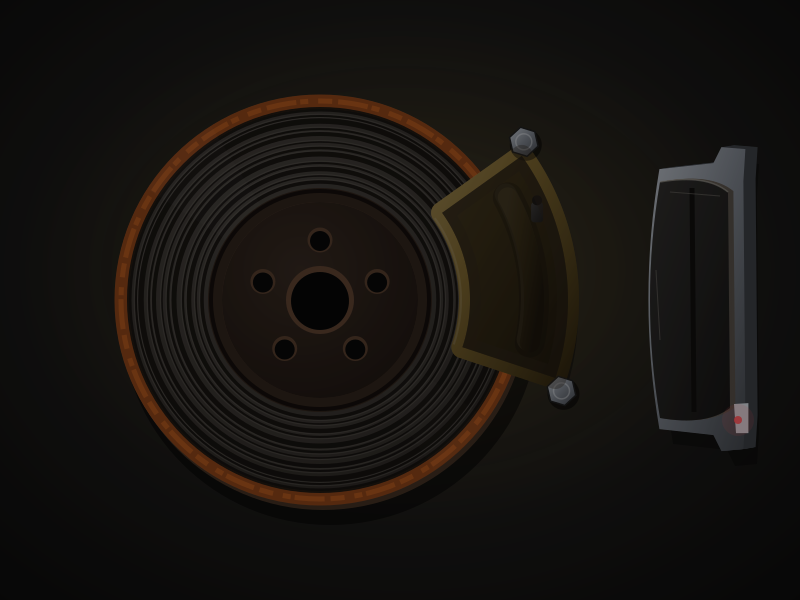
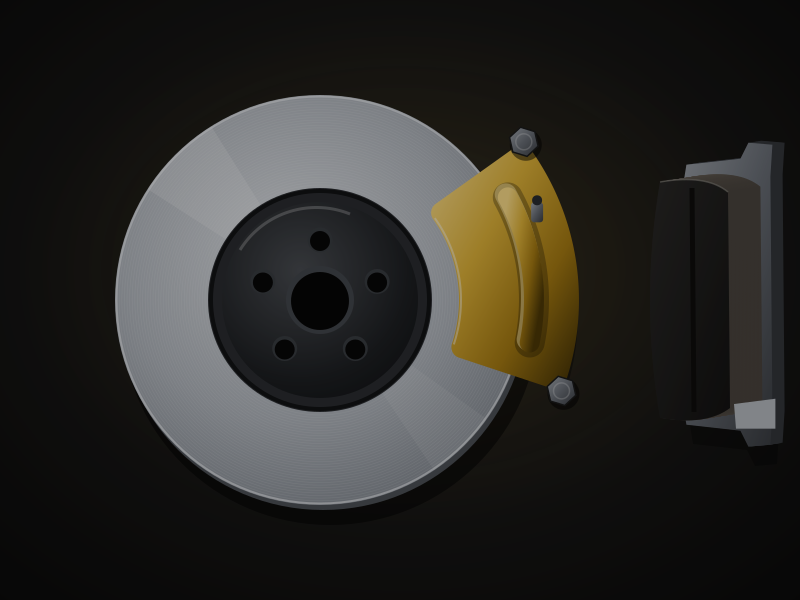
Brake rotor and pads
A scored, worn rotor with a thin pad compared with a new rotor and pad.
Signs you may need this
- Squealing or squeaking when you brake
- Grinding or metal-on-metal noise
- A brake pedal that feels soft, spongy, or sinks toward the floor
- Vibration or pulsing in the pedal or steering wheel while stopping
- The car pulls to one side when braking
- Brake warning light or ABS light is on
- A burning smell or one wheel much hotter than the others after driving
What the service may involve
- Measuring pad thickness and inspecting rotors or drums
- Checking calipers, slide pins, and hardware for sticking or corrosion
- Inspecting brake lines and hoses for leaks, rust, or damage
- Testing brake fluid condition and level
- Replacing pads, rotors, calipers, or lines if you approve
- Bleeding the system and road-testing after repairs
Information to have ready
- Year, make, model, and approximate mileage
- What you notice and when (light braking, hard stops, cold mornings)
- Which wheel or side the noise seems to come from
- When the brakes were last serviced, if known
Questions
Do I always need new rotors with new pads?
Not always. If rotors are within the manufacturer’s minimum thickness and are not warped, scored, or badly rusted, they may be reusable. We measure them and explain the options.
Is it safe to keep driving with grinding brakes?
Grinding often means the pad material is gone and metal is contacting the rotor, which reduces stopping power and damages parts quickly. We recommend limiting driving and getting it looked at as soon as you can.
Why does my car pull when I brake?
Common causes include a sticking caliper, a collapsed brake hose, contaminated pads, or uneven wear. Suspension or tire problems can also play a role, so we look at the whole picture.