Tire Services
Rotation, balancing, repairs, TPMS, and seasonal tire swaps.
Tires are the only part of your car that touches the road, so their condition affects braking, handling, and how well the car deals with rain and snow. Regular rotation helps them wear evenly, and proper balancing keeps the ride smooth at highway speed.
- Tire rotation following your vehicle’s pattern
- Wheel balancing
- Inspecting and repairing punctures when repairable
- Checking and resetting TPMS sensors
Common symptoms
- Tire pressure warning light is on
- A tire keeps losing air
- Vibration in the steering wheel at highway speed
- Tread worn down or uneven between tires
- Bulges, cracks, or cuts in the sidewall
Many drivers around Lansing switch to winter tires for the snowy months, then back in spring. We can swap and balance seasonal tires mounted on their own wheels, and check tread depth and sidewall condition while they are off.
If you have a slow leak or a nail in the tread, a proper patch-plug repair from the inside is often possible. Damage in the sidewall or near the shoulder usually cannot be safely repaired, and we will tell you if that is the case.
Every appointment is confirmed with a $100 booking/diagnostic payment (not credited toward the service). The work itself is quoted and done only after you approve an itemized estimate.
Repair labor is $100 per hour for every kind of repair — engine, transmission, electrical, heating and air conditioning, suspension, brakes and everything else. No higher specialty rate and no minimum labor charge. Labor hours are estimated for your specific vehicle and repair and shown on your written estimate before any work starts; we don’t sell flat-rate job prices.
Tire tread depth
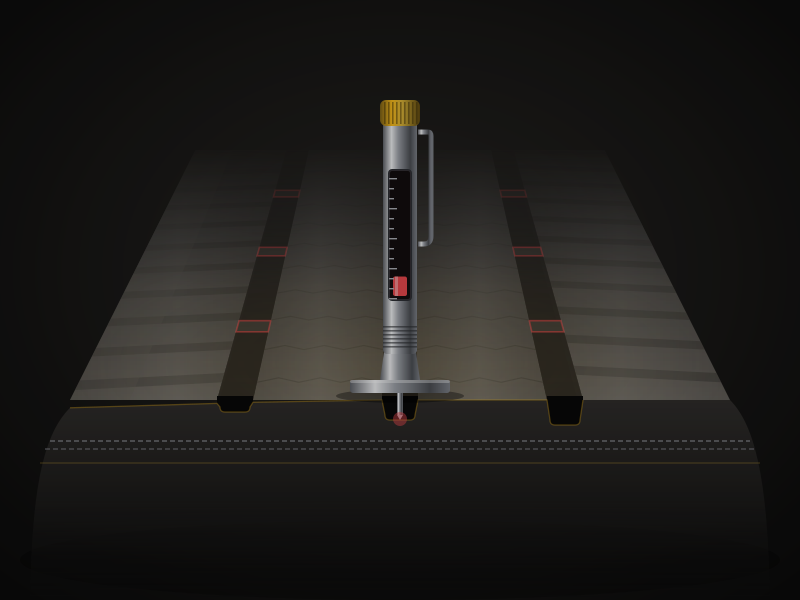
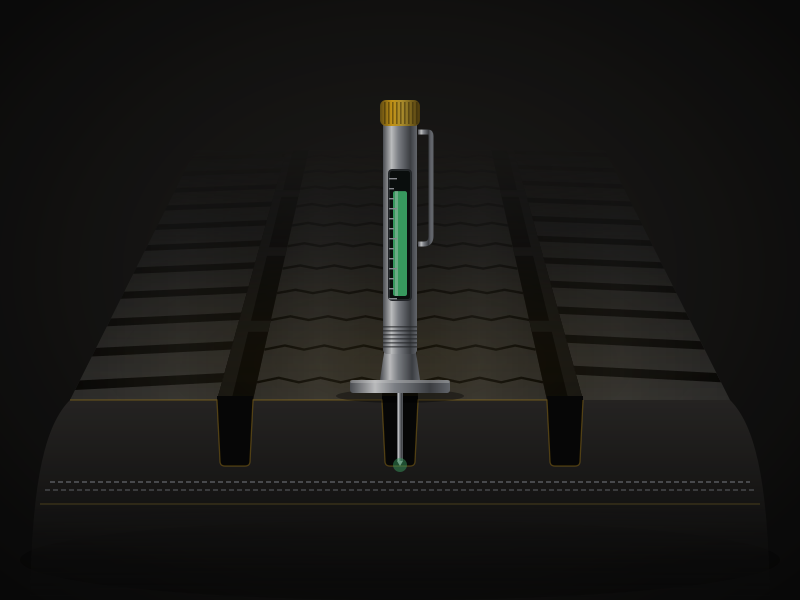
Tread worn to the wear bars compared with new, even tread.
Signs you may need this
- Tire pressure warning light is on
- A tire keeps losing air
- Vibration in the steering wheel at highway speed
- Tread worn down or uneven between tires
- Bulges, cracks, or cuts in the sidewall
- It is time to switch between winter and all-season tires
What the service may involve
- Tire rotation following your vehicle’s pattern
- Wheel balancing
- Inspecting and repairing punctures when repairable
- Checking and resetting TPMS sensors
- Seasonal tire changeovers
- Measuring tread depth and checking for damage
Information to have ready
- Year, make, model, and tire size (on the sidewall)
- Whether your seasonal tires are already on wheels
- Which tire is losing air, if any
- Whether your vehicle has a wheel lock key, and where it is
Questions
How often should tires be rotated?
Many manufacturers recommend rotating at about every oil change, but check your owner’s manual. Some vehicles, especially all-wheel drive, are sensitive to uneven tire wear.
Can every flat tire be repaired?
No. Punctures in the main tread area are often repairable. Sidewall damage, large cuts, or tires driven while flat usually need replacement for safety.
Why does my tire light come on when it gets cold?
Air pressure drops as temperatures fall, so the first cold snap often triggers the warning. Adjust to the pressure on your door jamb sticker; if the light stays on, a sensor or leak may need checking.