
Asian Import Vehicle Repair
Toyota, Honda, Nissan, Hyundai, Kia, Subaru, Mazda, and more.
Japanese and Korean vehicles have earned a reputation for reliability, and with regular care many of them run for a very long time. Keeping them there means following their specific maintenance needs, such as the correct oil viscosity, CVT fluid type, and valve adjustment intervals on engines that require them.
- Maintenance using manufacturer-specified fluids
- Diagnosis of engine
- Brake
- Cooling system
Common symptoms
- Shuddering or whining from a CVT transmission
- Oil consumption between changes
- Coolant or oil seepage around the engine
- Maintenance reminders you are not sure how to address
- Rust-related brake or exhaust problems
Each brand has its own quirks. Subarus can develop oil or coolant seepage around the head gaskets and need attention to their all-wheel-drive tire matching. Many Nissans and other vehicles use CVT transmissions with their own fluid requirements. Some Hyundai and Kia engines have specific oil consumption and maintenance considerations.
We use quality parts appropriate for your vehicle and explain your options, including when an OEM part makes more sense than an aftermarket one.
Every appointment is confirmed with a $100 booking/diagnostic payment (not credited toward repairs). If the cause isn’t known yet, the visit is used to diagnose it; the repair is quoted for your approval.
Repair labor is $100 per hour for every kind of repair — engine, transmission, electrical, heating and air conditioning, suspension, brakes and everything else. No higher specialty rate and no minimum labor charge. Labor hours are estimated for your specific vehicle and repair and shown on your written estimate before any work starts; we don’t sell flat-rate job prices.
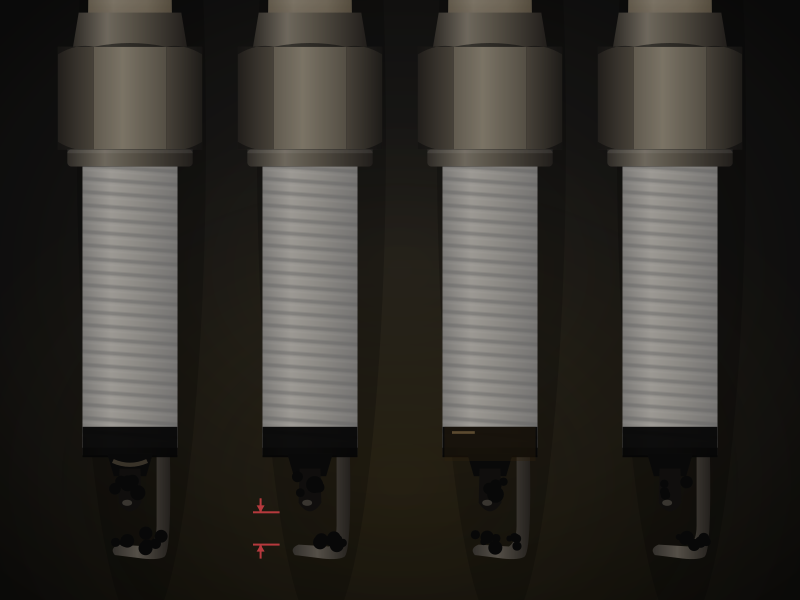
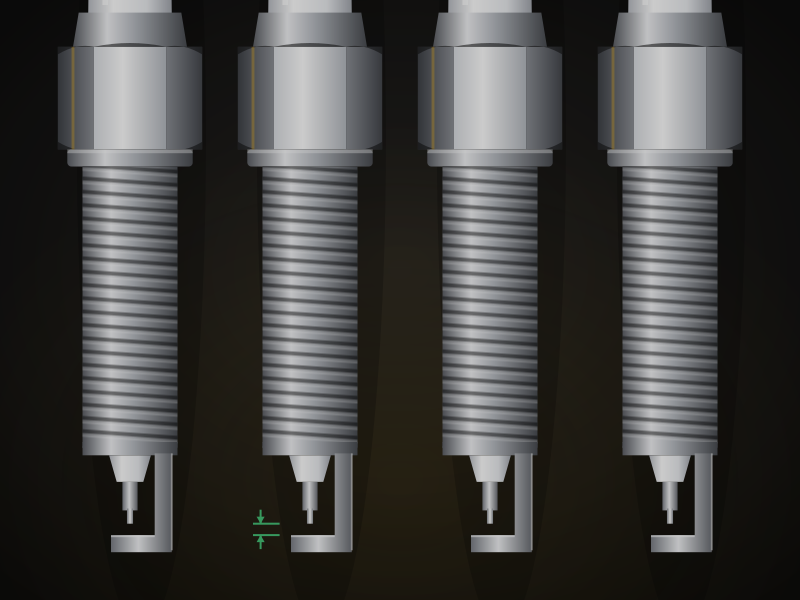
Example: spark plugs
One common import-vehicle service, shown as an example: fouled spark plugs replaced.
Signs you may need this
- Shuddering or whining from a CVT transmission
- Oil consumption between changes
- Coolant or oil seepage around the engine
- Maintenance reminders you are not sure how to address
- Rust-related brake or exhaust problems
- Check engine or AWD warning lights
What the service may involve
- Maintenance using manufacturer-specified fluids
- Diagnosis of engine, transmission, and electrical problems
- Brake, suspension, and steering repair
- Cooling system, timing, and gasket work
- Recommendations based on your vehicle’s maintenance schedule
- Quotes with parts options where available
Information to have ready
- Year, make, model, trim, and engine
- Mileage and recent maintenance records
- Transmission type (automatic, CVT, or manual)
- The symptoms you notice and when they occur
Questions
Is there a diagnostic fee for import vehicles?
Not for routine maintenance or clearly identified repairs. When a problem must be diagnosed, diagnostic services involve a $100 diagnostic fee, which is not credited toward the cost of subsequent repairs. We confirm with you before starting.
Do you use OEM parts?
We can quote OEM or quality aftermarket parts, depending on availability and the component. For certain parts, like some sensors, OEM is often the better choice, and we will explain why.
Does a Subaru need all four tires replaced at once?
Many all-wheel-drive vehicles require tires with closely matched tread depth. Check your owner’s manual; we can measure tread depth and help you decide.