Engine Diagnostics
Finding out why the engine runs rough, stalls, or loses power, before parts get replaced.
A drivability problem rarely has just one possible cause. A rough idle could be a misfire, a vacuum leak, a dirty throttle body, a failing sensor, or low compression. Replacing parts until the problem goes away gets expensive fast. Diagnosis is the work of narrowing that list down to the real cause.
$100 diagnostic
- Discussing when and how the problem shows up
- Reading trouble codes and freeze-frame data
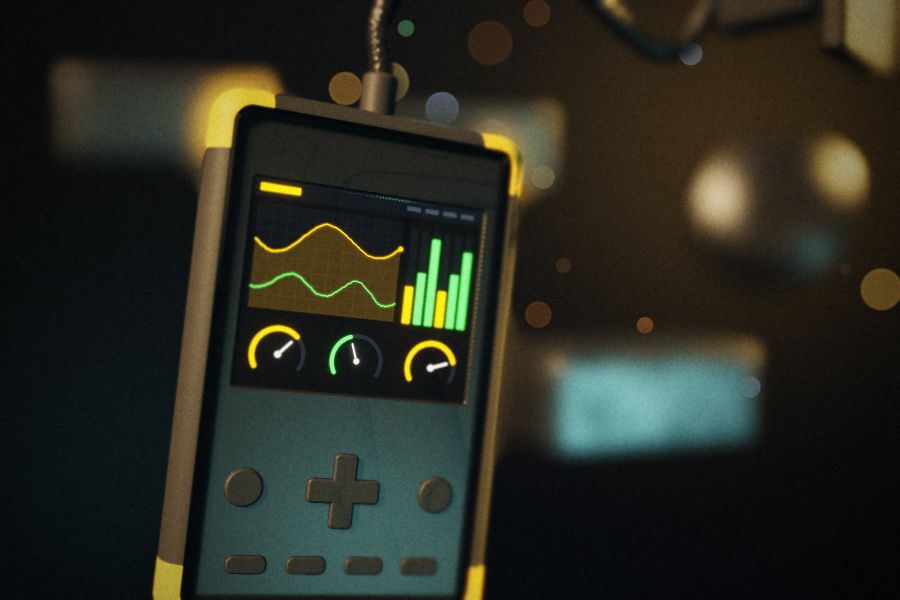
- Reviewing live sensor data during idle and a road test
- Testing ignition
Common symptoms
- Rough or shaky idle
- Stalling, especially at stops or when cold
- Hesitation or loss of power when accelerating
- Noticeably worse fuel economy
- Hard starting or long cranking
We start by listening to what you have noticed, then read stored and pending codes, look at live sensor data, and run the tests that fit the symptom: checking fuel delivery, ignition, airflow, and mechanical condition as needed. Codes point to a system; testing confirms which part of it has actually failed.
When we are done, we explain what we found and what we recommend, with a written quote for any repair. You decide whether to go ahead.
Every appointment is confirmed with a $100 booking/diagnostic payment when you book. It covers the diagnostic visit, is separate from repair costs and is not credited toward them. Repairs are quoted separately and done only with your approval.
Repair labor is $100 per hour for every kind of repair — engine, transmission, electrical, heating and air conditioning, suspension, brakes and everything else. No higher specialty rate and no minimum labor charge. Labor hours are estimated for your specific vehicle and repair and shown on your written estimate before any work starts; we don’t sell flat-rate job prices.
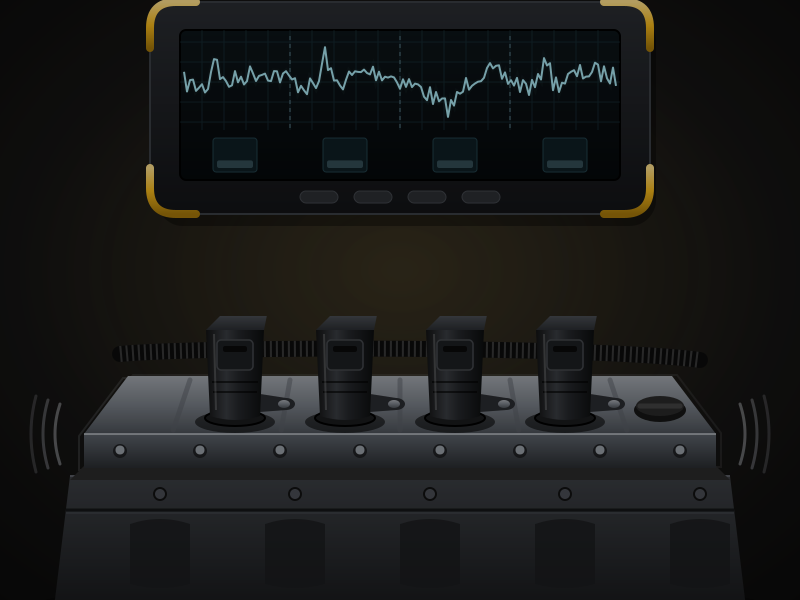
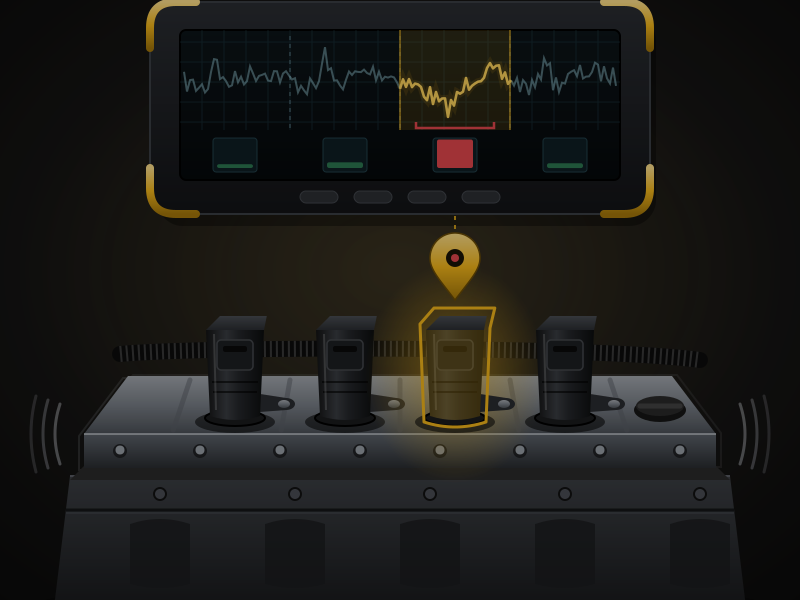
Engine misfire diagnosis
The reported concern (rough running) and what diagnosis isolates: the cylinder and coil responsible. Diagnosis identifies the cause; the repair is quoted separately.
Signs you may need this
- Rough or shaky idle
- Stalling, especially at stops or when cold
- Hesitation or loss of power when accelerating
- Noticeably worse fuel economy
- Hard starting or long cranking
- Unusual smells, smoke, or exhaust noise
What the service may involve
- Discussing when and how the problem shows up
- Reading trouble codes and freeze-frame data
- Reviewing live sensor data during idle and a road test
- Testing ignition, fuel, airflow, and vacuum systems as needed
- Mechanical checks such as compression testing when needed
- A clear explanation of findings and a quote for repairs
Information to have ready
- Year, make, model, engine size, and mileage
- When the problem happens (cold start, highway, idle, rain)
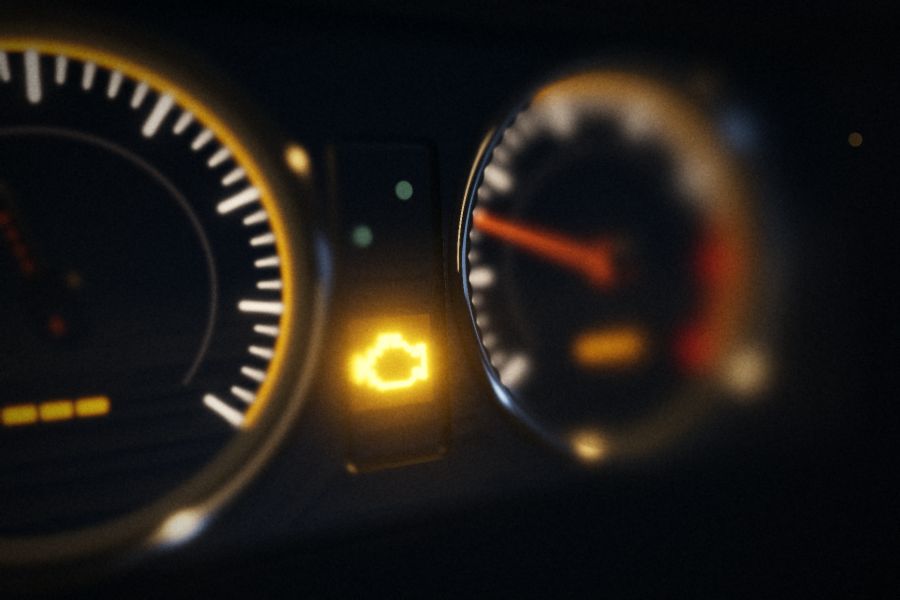
- Any warning lights on the dash
- Recent repairs or parts already replaced
- Codes from a parts-store scan, if you have them
Questions
Is there a fee for diagnostics?
Yes. Diagnostic services involve a $100 diagnostic fee, which is not credited toward the cost of subsequent repairs. It covers the testing time to find the cause. Repairs are quoted separately, and you decide whether to proceed.
A parts store already read my codes. Why do I need diagnostics?
A code tells you which system or circuit reported a problem, not which part failed. For example, a lean code can come from a vacuum leak, a weak fuel pump, or a bad sensor. Testing confirms the cause so you are not paying for guesses.
What if the problem is intermittent?
Intermittent problems are harder to catch. The more detail you can share (temperature, speed, how long you had been driving), the better. We will tell you honestly if we could not reproduce it.