Battery, Starter & Alternator Service
Testing the whole starting and charging system, not just swapping the battery.
When a car will not start, the battery gets blamed first, and sometimes it is the culprit. But a weak alternator that is not recharging the battery, a starter that draws too much current, or a corroded cable can all look the same from the driver’s seat.
- Testing battery condition and state of charge
- Measuring alternator output
- Checking starter operation and current draw if needed
- Inspecting and cleaning cables
Common symptoms
- Slow or labored cranking, especially in cold weather
- A single click or rapid clicking when turning the key
- Battery or charging warning light on the dash
- Headlights dim at idle or brighten when revving
- Needing frequent jump starts
Cold weather exposes weak batteries quickly. A battery that seemed fine in October can fail on the first sub-zero morning, because cold slows the chemical reaction inside while a thick-oil engine takes more effort to crank.
We test the battery’s condition, check the alternator’s output, look at cables and terminals, and check starter operation as needed. That way you replace what has actually failed. Some vehicles also need the new battery registered with the computer, which we handle when required.
Every appointment is confirmed with a $100 booking/diagnostic payment (not credited toward repairs). If the cause isn’t known yet, the visit is used to diagnose it; the repair is quoted for your approval.
Repair labor is $100 per hour for every kind of repair — engine, transmission, electrical, heating and air conditioning, suspension, brakes and everything else. No higher specialty rate and no minimum labor charge. Labor hours are estimated for your specific vehicle and repair and shown on your written estimate before any work starts; we don’t sell flat-rate job prices.
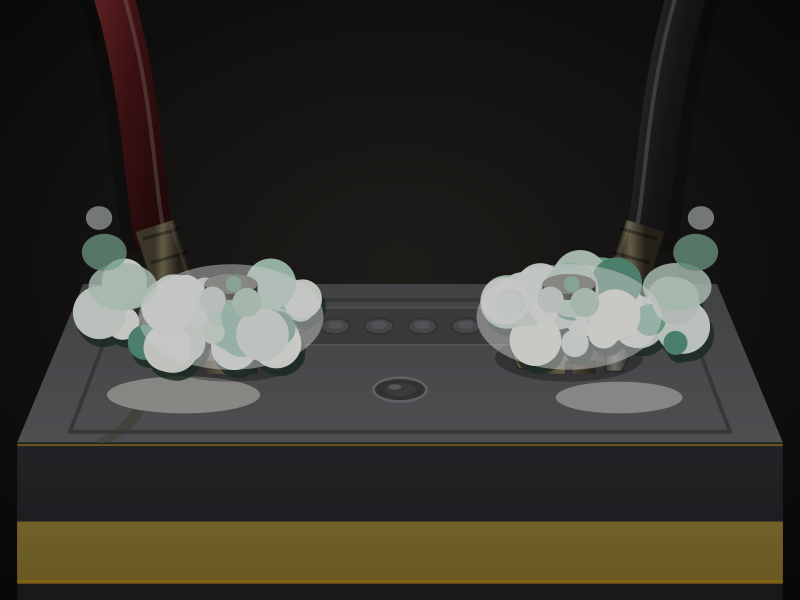
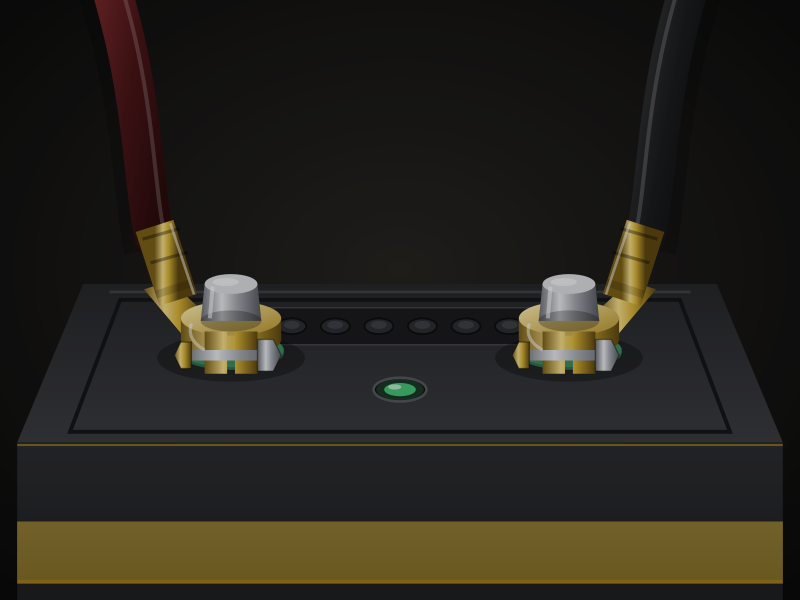
Battery terminals
Corroded terminals compared with cleaned, protected and tightened connections.
Signs you may need this
- Slow or labored cranking, especially in cold weather
- A single click or rapid clicking when turning the key
- Battery or charging warning light on the dash
- Headlights dim at idle or brighten when revving
- Needing frequent jump starts
- Whining or grinding noise when starting
- Swollen battery case or corroded terminals
What the service may involve
- Testing battery condition and state of charge
- Measuring alternator output
- Checking starter operation and current draw if needed
- Inspecting and cleaning cables, terminals, and grounds
- Replacing the battery, starter, or alternator if you approve
- Battery registration on vehicles that require it
Information to have ready
- Year, make, model, and engine size
- Age of the current battery, if known
- Whether the car needs a jump to get to the shop
- Any recent electrical work or added accessories
Questions
Is there a fee to test my battery and charging system?
A basic battery and charging check is quoted along with any needed parts. If the problem turns out to need deeper electrical diagnosis, such as a parasitic drain, diagnostic services involve a $100 diagnostic fee, which is not credited toward the cost of subsequent repairs. We will ask before starting that work.
How long do car batteries last?
It varies with climate, driving habits, and the battery itself. Short trips and cold winters tend to shorten battery life. Testing is the best way to know where yours stands.
My new battery died. Was it defective?
Possibly, but a new battery that keeps dying often points to a charging problem or a drain. Testing the full system is the way to find out.