Transmission Service & Repair
Slipping, harsh shifts, and leaks checked carefully, starting with the simple causes.
Transmission trouble is stressful, partly because people assume the worst. Many shifting problems turn out to have simpler causes: low or degraded fluid, a leaking cooler line, a faulty sensor, a wiring issue, or a software-controlled solenoid. Those are worth ruling out before talking about anything major.
- Checking fluid level
- Reading transmission-related trouble codes
- Road-testing to observe shift quality and timing
- Inspecting for leaks at pans
Common symptoms
- Engine revs climb but the car does not accelerate (slipping)
- Delayed engagement when shifting into Drive or Reverse
- Harsh, clunky, or erratic shifts
- Red or brown fluid leaking under the car
- Whining, humming, or buzzing that changes with speed
We check fluid level and condition where the design allows, look for leaks, read transmission codes, and observe how the transmission behaves on a road test. Automatic, manual, and CVT transmissions each have their own common problems, and we explain what we find for your specific type.
Some internal transmission repairs are better handled by a specialty rebuilder. If that is the case for your vehicle, we will tell you directly rather than take on a job that is not a good fit for our shop.
Every appointment is confirmed with a $100 booking/diagnostic payment (not credited toward repairs). If the cause isn’t known yet, the visit is used to diagnose it; the repair is quoted for your approval.
Repair labor is $100 per hour for every kind of repair — engine, transmission, electrical, heating and air conditioning, suspension, brakes and everything else. No higher specialty rate and no minimum labor charge. Labor hours are estimated for your specific vehicle and repair and shown on your written estimate before any work starts; we don’t sell flat-rate job prices.

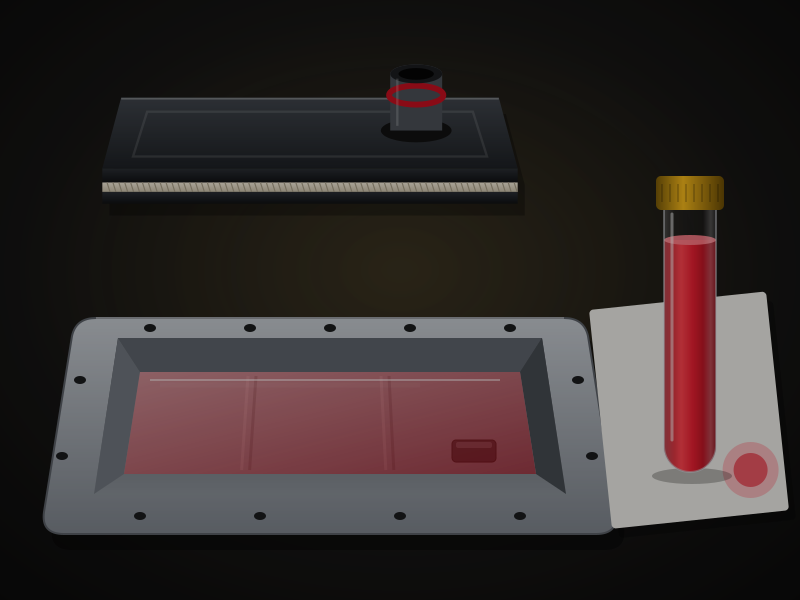
Transmission fluid and filter
Burnt fluid with debris and a clogged filter, compared with a clean pan, new filter and fresh fluid.
Signs you may need this
- Engine revs climb but the car does not accelerate (slipping)
- Delayed engagement when shifting into Drive or Reverse
- Harsh, clunky, or erratic shifts
- Red or brown fluid leaking under the car
- Whining, humming, or buzzing that changes with speed
- Transmission warning light or limp mode
What the service may involve
- Checking fluid level, color, and smell where accessible
- Reading transmission-related trouble codes
- Road-testing to observe shift quality and timing
- Inspecting for leaks at pans, seals, and cooler lines
- Fluid service, sensor, solenoid, or external component repair
- Referral advice when an internal rebuild is needed
Information to have ready
- Year, make, model, and mileage
- Transmission type (automatic, manual, CVT) if known
- When the problem occurs (cold, warm, uphill, specific gears)
- Last transmission fluid service, if known
- Whether you tow or haul regularly
Questions
Will I be charged to find out what is wrong?
If the problem needs to be diagnosed, diagnostic services involve a $100 diagnostic fee, which is not credited toward the cost of subsequent repairs. Routine work like a fluid service is simply quoted. We tell you which applies before starting.
Should I change my transmission fluid?
Follow your manufacturer’s schedule, especially if you tow or do lots of stop-and-go driving. Some transmissions are labeled lifetime fill but still benefit from service; we can look at your vehicle’s specifics.
Do you rebuild transmissions?
We focus on diagnosis, fluid service, and external repairs. If your transmission needs an internal rebuild, we will explain that and discuss your options.